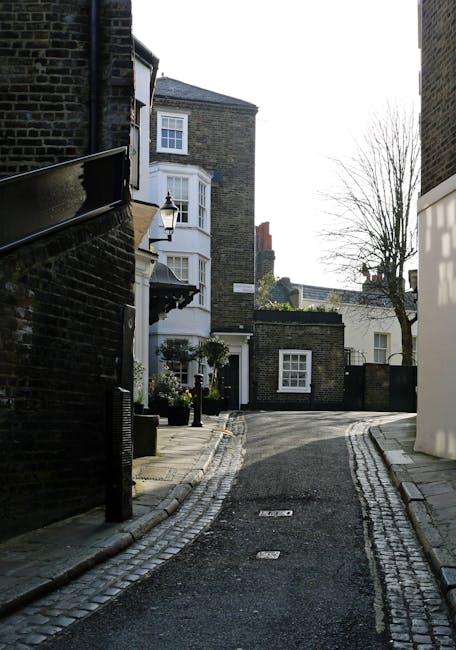
Hampstead Heath removals access routes and parking tips
Moving near Hampstead Heath can feel straightforward on a map and surprisingly fiddly on the ground. Narrow residential streets, parked cars, terrace access, one-way turns, and the simple fact that a removal van is much less nimble than your average hatchback can all change the day. That is why Hampstead Heath removals access routes and parking tips matter so much: they help you avoid wasted time, awkward carrying distances, and that last-minute panic when the vehicle cannot safely stop outside the property.
This guide breaks down how local access tends to work, what to check before moving day, and how to plan parking without overcomplicating it. You will find practical route-planning advice, realistic examples, a checklist, and a few small details that often get missed until the van is already on the way. To make the next step easier, you can also explore removals in Hampstead, man with van support in Hampstead, and packing and boxes guidance for Hampstead moves.
Table of Contents
- Why Hampstead Heath removals access routes and parking tips Matters
- How Hampstead Heath removals access routes and parking tips Works
- Key Benefits and Practical Advantages
- Who This Is For and When It Makes Sense
- Step-by-Step Guidance
- Expert Tips for Better Results
- Common Mistakes to Avoid
- Tools, Resources and Recommendations
- Law, Compliance, Standards, or Best Practice
- Options, Methods, or Comparison Table
- Case Study or Real-World Example
- Practical Checklist
- Conclusion
- Frequently Asked Questions
Why Hampstead Heath removals access routes and parking tips Matters
Hampstead Heath sits in an area where the streets can change character very quickly. One road may be broad enough for smooth loading, while the next is lined with resident bays, tight bends, or busy school-time traffic. For a home move, that matters more than people expect. A removal team may only need a few extra metres of carry distance for small boxes, but when you are moving wardrobes, sofas, or a piano, those extra metres can become a real problem.
Good access planning protects time, money, and the furniture itself. It also makes the day calmer for everyone involved. A van that can stop near the front door means fewer trips, less lifting, and less exposure to knocks and scrapes. Truth be told, people often focus on packing and forget the bit outside the front gate. Then moving day arrives, and the pavement becomes the bottleneck.
There is another reason this topic matters: local parking and access issues are rarely identical from one street to the next. What works on a quiet stretch near the Heath may not work on a busier approach road or a steep side street. So this is not about memorising one perfect route. It is about understanding how to read the street, how to plan for the van, and how to leave yourself a bit of breathing room.
Expert takeaway: the best Hampstead Heath move is usually not the fastest route on paper, but the route that gives the van the simplest legal stop and the shortest safe carry into the property.
How Hampstead Heath removals access routes and parking tips Works
In practice, the process starts before anyone opens a box. The moving team or homeowner should look at three things together: the route to the address, the place where the van can stop, and the walking path from the vehicle to the door. Those three details are linked. A good route that ends in poor parking is still a poor move.
For local removals, the route usually depends on van size, road width, turning space, timing, and nearby restrictions. A smaller vehicle can often fit where a larger lorry would struggle. That is why services such as removal van options in Hampstead and man and a van in Hampstead are often practical for this part of London. Smaller and more agile does not automatically mean easier, but it often gives you more choice at the kerb.
Parking planning is similar. You need to consider whether the van can use a bay, a single yellow area, a loading-friendly stretch, or a temporary stop that stays within road rules. Where parking is limited, many people decide on an early start, a shorter loading window, or a coordinated arrival that reduces the need for a long stay. If you need help building a move around those limits, the service approach on removal services in Hampstead can be a sensible place to begin.
There is also a practical rhythm to the day. The van arrives, the team checks access, boxes are staged near the exit, furniture is wrapped, and the vehicle is loaded in the sequence that suits the route out. If parking turns out to be a little more awkward than expected, the load plan may change on the spot. That is normal. A good crew does not fight the street; it adapts to it.
Key Benefits and Practical Advantages
Planning access and parking well gives you benefits that are easy to feel, even if they are hard to measure. The move becomes less chaotic. The team spends more time carrying items than searching for a place to stop. Your belongings are handled more carefully because there is less rush. And, perhaps most importantly, the day usually finishes earlier than it would have with guesswork.
- Fewer delays: a clear stop point reduces circling and double-handling.
- Lower handling risk: shorter carry distances mean fewer bump points for furniture and walls.
- Better timing: loading and unloading stay on track when the route is settled in advance.
- Less stress: everyone knows where the van will go and who is doing what.
- More flexibility: the team can adjust if a road is unexpectedly busy or blocked.
There is a quieter advantage too: better planning helps you choose the right moving service. Someone moving a one-bedroom flat, for example, might need a more compact vehicle and a sharper parking strategy than a larger house move with wider access. If that sounds like your situation, flat removals in Hampstead may be a more relevant fit than a general house-move setup.
Who This Is For and When It Makes Sense
This guidance is for anyone moving in or around Hampstead Heath where access is not completely open and obvious. That includes flat tenants, homeowners, students with multiple boxes, landlords managing an end-of-tenancy handover, and small businesses shifting equipment. It is also useful if you are moving fragile or awkward items, because those tend to need a more careful loading position.
You will especially benefit from this planning if:
- your property is on a narrow residential road;
- parking outside the property is limited or time-restricted;
- you live in a top-floor flat with stairs;
- you have bulky items like wardrobes, beds, mirrors, or a piano;
- you need a same-day or time-sensitive move;
- you want to avoid carrying boxes long distances along the pavement.
For students, access planning can be deceptively important. A compact move may still involve a lot of trips if parking is off-site. For families, the issue is often not volume alone but timing, with children, school runs, or work schedules adding pressure. If your move sits in the more urgent category, same-day removals in Hampstead may be worth considering, but only if access details are nailed down first. Otherwise the day can feel far longer than it should.
And yes, if you are wondering whether all this sounds a bit over the top for one move, perhaps. But to be fair, the street outside your home is where most moving problems actually happen.
Step-by-Step Guidance
1. Start with the route, not the packing tape
Before you seal the first box, think about how the vehicle will reach the property. Check whether any roads are one-way, especially where a van may need to approach from a different direction than a car would. Look at tight corners, parked cars that could narrow the road, and anything that might complicate turning. A few minutes of route thinking can save half an hour on moving day.
2. Measure the real access point
Do not stop at "the address is on a main road" or "there is parking nearby". You need to know where the van can actually pause, how far that point is from the entrance, and whether the pavement or steps create difficulties. If the building has a basement, split-level entrance, shared courtyard, or rear access, note it all. It sounds obvious. It isn't always done.
3. Decide what the van can practically fit
Different loads need different vehicle choices. A small flat move may suit a compact van, while a larger household may need a bigger removal vehicle or multiple trips. If your items include awkward or heavy pieces, factor in the loading angle as well as the size. A larger van is not automatically better if the road is tight and parking is scarce.
4. Plan the parking approach in plain English
Think through the stop point as if you were giving directions to a friend who has never been there before. Where should the driver aim first? Where is the safest legal place to pause? If the first option is full, what is the second? This is a simple but powerful habit. It stops everyone from making decisions in a rush when the van is already idling outside.
5. Stage items near the exit
Once parking is sorted, create a loading zone inside the property. Put packed boxes close to the door if possible, separate fragile items, and keep furniture clear of walkways. If you have already arranged packing support, that makes life easier. Services such as package your items and wait for us to come can be especially useful when you want the packing finished before the vehicle arrives.
6. Build in timing slack
Traffic, school runs, local deliveries, weather, and surprise roadworks can all affect the day. A slightly earlier slot or a more flexible delivery window gives you room to breathe. If you want the move timed around work, building access, or a handover appointment, you can also look at delivery at the best time for you so the schedule fits the day rather than fighting it.
7. Confirm the last details before arrival
The day before, or even the morning of the move, confirm the access point, contact number, and anything that might change the plan. A locked gate, a forgotten permit note, or a neighbour's skip in the wrong place can change the game. Tiny details. Big impact.
Expert Tips for Better Results
Here is the part where experience saves effort. Most access problems are not dramatic, they are cumulative. One small delay here, one awkward turn there, and the day slips. So the best tip is simple: reduce friction wherever you can.
- Use the shortest safe carry, not the fanciest parking spot. The closest legal stop is usually the best one.
- Choose the smallest vehicle that still fits the job. On narrow Hampstead streets, size matters more than people think.
- Pack by weight, not just by room. Heavy boxes should not be the ones moved last when everyone is tired.
- Wrap high-value or fragile items separately. Mirrors, lamps, and artwork deserve a bit of extra care.
- Check the weather. A wet pavement in the morning can turn a routine carry into a slippery little nuisance.
- Keep the route clear at both ends. Hallways, steps, and the pavement outside matter equally.
A local move near Hampstead Heath can also benefit from neighbourhood knowledge. Roads around the area can feel calm at one time of day and much busier at another. Morning school traffic, late afternoon parking pressure, and weekend visitors can all influence the best moving window. A good local team tends to know when a street is easiest to work on, and that knowledge is worth having.
If the move includes a piano, heavy furniture, or mixed household items, it makes sense to involve a specialist service rather than hoping for the best. A piano, in particular, needs careful handling and sensible positioning near the vehicle. For that, piano removals in Hampstead is the kind of service that reduces both risk and guesswork.
One more practical note: if you are moving out of a period flat with awkward stair angles, do not underestimate the staircase. It often decides the pace of the whole job. Not glamorous, but true.
Common Mistakes to Avoid
Most removal-day headaches around Hampstead Heath come from assumptions. The route looks fine on paper, so nobody checks the actual street width. There seems to be parking nearby, so no one confirms whether it is available at the right time. The move is only a few rooms, so the access plan gets left to chance. That is how trouble starts.
- Assuming a big van is always best. Sometimes a smaller van is easier to park and quicker to load.
- Leaving parking planning until arrival. By then, the easiest options may already be gone.
- Forgetting about loading distance. Even a "nearby" parking spot can mean a tiring carry.
- Not checking for restrictions. Single yellow lines, resident bays, or timed limits can all change the plan.
- Blocking the entrance while waiting. It may feel convenient for thirty seconds, but it can create issues for neighbours and your own loading flow.
- Packing in a way that ignores access. If the heaviest boxes end up furthest from the door, somebody will regret it later.
Another common slip is forgetting that the return journey matters too. Unloading at the new place can be just as tricky as loading at the old one, especially if the destination has a similar parking layout. Planning only one half of the move is a bit like buying one shoe and hoping for the best.
Tools, Resources and Recommendations
You do not need a huge toolkit to move well around Hampstead Heath, but a few practical items make a big difference. A tape measure helps with furniture and doorways. Strong labels help you keep boxes in the right order. A phone with contact details saved for the driver and building contact is also handy. Nothing fancy, just sensible.
For a smoother experience, these local and service pages may help you prepare:
- pricing and quotes for getting a clearer idea of moving costs and options;
- packing and boxes in Hampstead for packing materials and box strategy;
- insurance and safety guidance for sensible protection during the move;
- storage in Hampstead if you need to split the move across more than one day;
- furniture removals in Hampstead for larger items that need extra handling;
- house removals in Hampstead if you are moving a whole property rather than just selected items.
If you want a little local context while you plan, the site's Hampstead articles are genuinely useful too. The reads on local secrets to life in Hampstead and life in Hampstead can help you feel more oriented around the area before moving day arrives.
Law, Compliance, Standards, or Best Practice
For removals, the practical rule is simple: park and load legally, safely, and considerately. That means following the local road restrictions that apply to the street, not stopping where you would obstruct traffic or endanger pedestrians, and respecting any building rules that apply to shared entrances or courtyards. If a bay, permit arrangement, or loading area is involved, it should be checked in advance rather than guessed at the kerb.
Best practice also means planning for manual handling. Heavy lifting should be done with care, using the right number of people and the right equipment where needed. Good removals teams usually think in terms of safe lifts, stable stacking, and clear pathways. That is especially important on staircases and narrow pavements, where one bad angle can make a piece of furniture awkward very quickly.
There is also the matter of trust and service standards. If you are hiring help, review the company's terms, safety approach, and customer process so you know what to expect. Useful pages include terms and conditions, health and safety policy, accessibility statement, and complaints procedure. They help set clear expectations before anyone lifts a box.
For sensitive or high-value items, insurance and handling standards matter even more. If something feels uncertain, ask before the move rather than after it. That is the sensible order, honestly.
Options, Methods, or Comparison Table
Different Hampstead Heath moves suit different access approaches. The right choice depends on the property, the load, and how tight the street really is. Here is a practical comparison.
| Method | Best for | Pros | Trade-offs |
|---|---|---|---|
| Small man and van | Single flats, lighter loads, narrow streets | Easier parking, quicker access, often more flexible | May need multiple trips for larger loads |
| Larger removal van | Full house moves, bulky furniture, bigger volumes | More load space, fewer journeys | Harder to park and turn in tight roads |
| Split-load approach | Moves with limited parking or awkward access | Can reduce kerbside pressure and carry distance | Requires better coordination and timing |
| Timed arrival with staged packing | Busy streets, shared entrances, strict schedules | More control over loading and parking window | Needs advance preparation and clear communication |
To be fair, the "best" option is not always the biggest one. On some Hampstead Heath streets, a smaller van with a tidy loading plan beats a larger vehicle every time. Less drama. Less waiting. More done.
Case Study or Real-World Example
Imagine a two-bedroom flat move from a side street near Hampstead Heath to another address not far away. On paper, it looks easy. Same neighbourhood, short drive, no major distance. But the flat sits on an upper floor, the street is narrow, and parking directly outside is limited by resident bays and the normal mid-morning bustle.
In that situation, the smoothest plan is usually to choose a smaller vehicle, confirm the nearest legal stop in advance, and stage the belongings so the crew can work quickly once they arrive. Fragile items are separated, boxes are labelled by room, and the heaviest furniture is placed closest to the exit. If a parking bay is not available immediately outside, the team uses the next sensible legal point rather than forcing a poor stop and slowing the whole day.
That kind of move often finishes more smoothly than a larger, less flexible setup. Not because the property was simple, but because the access plan matched the street. Small difference, big result. You can almost hear the relief when the last box is carried in and no one has spent the morning hunting for a parking space.
Practical Checklist
Use this checklist before moving day. It is plain, but it works.
- Confirm the property address, entrance point, and floor level.
- Check the likely vehicle size for your load.
- Identify the nearest legal stop or loading position.
- Note any one-way streets, narrow bends, or awkward turns.
- Review parking restrictions for both the old and new addresses.
- Measure large furniture and doorways if needed.
- Pack fragile items separately and label boxes clearly.
- Keep hallways, stairways, and the kerbside exit clear.
- Save the mover's contact details and any building contact numbers.
- Build in a little time buffer for traffic or access delays.
If you are sorting the move in stages, you may also want to look at services overview to see how different moving support options fit together. And if you are still comparing providers, removal companies in Hampstead can help frame what to look for in a good local team.
Conclusion
Hampstead Heath removals work best when access is treated as part of the move, not an afterthought. The route, the parking, the carry distance, and the timing all shape how easy or stressful the day feels. Once those pieces are planned properly, everything else becomes more manageable: loading is quicker, furniture is safer, and the whole move feels less like a scramble and more like a process.
If you remember only one thing, let it be this: the right van in the right place at the right time is worth more than a rushed start with no parking plan. Sounds simple, and it is. But simple done well saves a lot of hassle.
When you are ready, the next step is to choose support that understands both the local streets and the practical realities of moving in them.
Get a free quote today and see how much you can save.
Frequently Asked Questions
What is the best van size for a Hampstead Heath move?
It depends on the property and the street. Smaller vans are often easier on narrow roads and can be the smarter choice for flats or partial moves. Larger vans suit bigger loads, but only if parking and turning space are workable.
How do I know where a removal van can park near my address?
Check the street layout, any nearby bays, and the width of the road. The safest approach is to identify a legal stop point before moving day rather than relying on finding one when the van arrives.
Should I choose a smaller vehicle if parking is difficult?
Usually, yes. A compact vehicle can reduce the risk of circling, double-handling, and long carry distances. In tight areas around Hampstead Heath, agility often matters more than total load size.
How early should I plan access routes for moving day?
Ideally, a few days in advance. That gives you time to check road layout, parking restrictions, building access, and any timing issues that might affect the move.
What if the nearest parking space is taken?
Have a second option ready. The goal is to find the nearest legal stop that still allows a safe, efficient load. A good plan always has a backup, even if it is only one street away.
Do I need to clear the path inside the property as well?
Yes. Access is not just the road outside. Hallways, stairs, landings, and doorways all affect how smoothly items can move from the property to the vehicle.
Are same-day removals realistic in Hampstead Heath?
They can be, but only if access is manageable and the load is straightforward. Same-day jobs work best when the route, parking, and packing are already under control.
What items need special planning for access?
Large wardrobes, sofas, mirrors, pianos, and heavy white goods often need extra attention. Anything bulky or fragile should be considered in relation to door widths, stairs, and kerbside parking.
How can I reduce moving-day stress around parking?
Confirm the stop point, keep a backup option in mind, and make sure the loading area is clear. A calm parking plan does more for stress levels than most people realise.
Is a man and van service enough for a Hampstead Heath flat move?
Often, yes. For smaller properties and lighter loads, a man and van service can be a practical and flexible option, especially where parking space is limited.
What should I check before booking a removals company?
Look at the service scope, safety approach, terms, and how they handle timing and parking challenges. If you want a local starting point, contact the team here to discuss the move details before you commit.
Can storage help if access makes the move too awkward in one day?
Yes. Storage can help split the move into manageable parts, especially if timing, access, or keys do not line up neatly. It is not always necessary, but it can be a very sensible fallback.
What is the most common mistake people make with local removals?
Assuming parking will sort itself out. It rarely does. The move usually goes better when the parking plan is as considered as the packing plan.