Narrow stairs removals Rosslyn Hill tricky access solutions
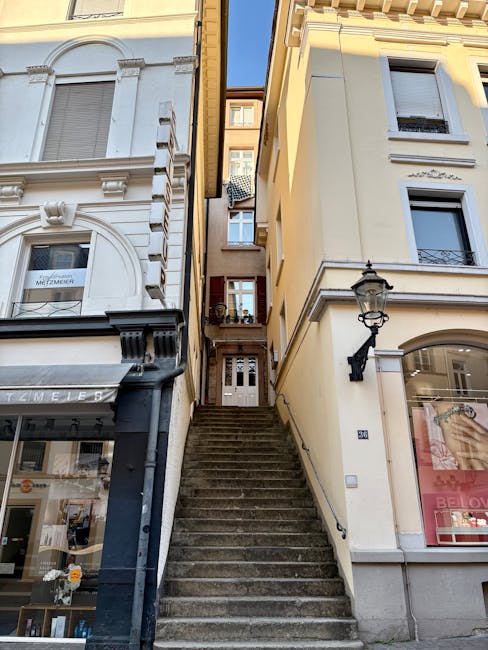
Moving house or shifting bulky furniture is never a simple job, but narrow staircases can turn it into a proper headache. In Rosslyn Hill, where period homes, converted flats and awkward hallways are part of the charm, narrow stairs removals Rosslyn Hill tricky access solutions are often the difference between a calm move and a stressful one. If you've ever tried to angle a sofa around a tight landing or carry a wardrobe up stairs that barely seem wide enough for one person, you already know the issue.
This guide explains how tricky-access removals work, what to plan for, what to avoid, and how to reduce the risk of damage, delays or sore backs. It also covers the sort of practical details people usually only learn the hard way. Let's face it: the stairs are never as friendly as they look on the viewing.
- Why it matters
- How the process works
- Key benefits and practical advantages
- Who this is for and when it makes sense
- Step-by-step guidance
- Expert tips for better results
- Common mistakes to avoid
- Tools, resources and recommendations
- Law, compliance, standards or best practice
- Options, methods, or comparison table
- Case study or real-world example
- Practical checklist
- Conclusion
- Frequently asked questions
Why Narrow stairs removals Rosslyn Hill tricky access solutions Matters
Narrow stair access affects almost every part of a move. It changes how furniture is carried, how many people are needed, how much packing should be done in advance, and whether some items need to be dismantled before the team even arrives. In a road like Rosslyn Hill, where homes can have split levels, basement entrances, high steps or tight communal hallways, a move that seems straightforward on paper can become surprisingly technical.
The main issue is simple: bulky items do not bend, and staircases rarely forgive a poor angle. A chest of drawers may fit on the measurements, yet still fail at the turn because the bannister steals precious centimetres. A bed frame may be light enough to lift but impossible to rotate in the landing space. You need a plan that respects the building rather than forcing the building to cooperate. Usually, it won't.
Good access planning matters for safety too. Tight stairs increase the chance of knocks to walls, scraped woodwork, broken glass, strained backs and dropped items. That is especially relevant in older properties where finishes can be fragile and stair rails may already be loose or narrow. If you are moving into a flat, a converted townhouse, or a property with delicate communal areas, this is not just a convenience issue; it is a risk-management issue.
For many people, the biggest value of planning tricky access is peace of mind. You can make better decisions on packing, schedule the move more accurately, and avoid the awkward moment where the van is outside, the team is ready, and nobody can get the wardrobe past the second turn. In our experience, that moment is a lot less fun than it sounds.
How Narrow stairs removals Rosslyn Hill tricky access solutions Works
Tricky-access removals usually start with assessment. That might be a quick phone conversation, photos, a video walkthrough, or a clear written description of the staircase, hallway width, landings and any sharp turns. The goal is to identify what can move intact, what needs dismantling, and what may need an alternative route.
A solid plan normally includes a few practical questions:
- How wide are the stairs and landings?
- Are there handrails, low ceilings or awkward corners?
- Can the item be carried upright, on its side, or not at all?
- Is there a lift, rear access, or another entrance that could help?
- Will parking, loading space or timing affect the move?
Once the access details are clear, movers can decide on the right approach. For many jobs that means protecting walls and bannisters, removing legs or doors from furniture, using lifting straps, and assigning the right number of people for each item. For others it means moving in stages: smaller items first, awkward pieces last, and the largest items stripped down before they leave the room.
On moving day, the crew will usually test the route before committing to a difficult carry. That may sound basic, but it saves time. Sometimes a sofa can be angled through a stairwell with a careful pivot. Sometimes it cannot. Better to discover that early than halfway down the landing with everyone holding their breath.
If you want a more general idea of the kind of service structure that helps with awkward jobs, the services overview page gives a broad picture of how different moving support can be arranged. For smaller jobs, people often compare a man with van service in Hampstead with more full-service options, depending on how much lifting and planning is required.
Key Benefits and Practical Advantages
The obvious benefit is that a planned approach reduces damage and delay. But there are a few other advantages worth spelling out, because they matter in real life more than people think.
- Less risk of damage: Furniture, walls, floors and stair rails are protected with a more controlled route.
- Better use of labour: The right number of movers can be assigned, rather than guessing on the day.
- Faster decisions: If an item needs dismantling, that can be decided before the clock starts ticking.
- Reduced stress: You are not improvising under pressure while the van is waiting outside.
- Improved safety: Steep or narrow stairs are a common place for slips and knocks if people rush.
Another quiet benefit is that good access planning helps you avoid unnecessary removals of items that may actually fit, but only if packed or carried differently. A dining table may be fine once the legs are removed. A wardrobe might clear the stair turn if the doors come off and the contents are boxed separately. That kind of practical thinking saves money and time, and honestly it saves a bit of sanity too.
For more support around careful packing and preparation, the page on packing and boxes in Hampstead is useful if you are trying to get the basics in order before move day. And if your move involves anything fragile or awkwardly shaped, it can help to think in layers: packing, route planning, lifting, then transport.
| Approach | Best for | Strengths | Watch-outs |
|---|---|---|---|
| Standard carry through stairs | Smaller furniture, boxed items, light loads | Simple, quick, usually cost-effective | Can fail on tight turns or low ceilings |
| Partial dismantling | Beds, wardrobes, tables, shelving | Makes awkward items manageable | Needs tools and a careful reassembly plan |
| Alternative access route | Properties with rear entrances, lifts, or shared areas | Reduces strain on stairs | May depend on building rules or parking access |
| Specialist handling | Heavy, valuable, or delicate items | Improves safety and control | Requires more planning and sometimes a higher service level |
Who This Is For and When It Makes Sense
This kind of removals support is for anyone dealing with difficult access, but a few groups need it especially often. If you live in a conversion flat with a compact stairwell, a maisonette with a split-level layout, or a period property with steep or twisting stairs, you are very likely in the target group.
It also makes sense if you are moving:
- large furniture such as wardrobes, sofas, beds or desks
- heavy items like bookcases, safes, appliances or pianos
- fragile possessions that need gentle handling
- student contents from upper floors with cramped staircases
- office furniture through shared entrances or narrow corridors
Some moves are not difficult because the amount of stuff is huge. They are difficult because one staircase is awkward and one turn is unforgiving. You may only have a few rooms' worth of belongings, but if the access is tight, the move can still be fairly technical. That is why people often combine a tricky-access move with a service such as flat removals in Hampstead or, in the case of heavier items, furniture removals support.
If your move is time-sensitive, you might also look at same day removals in Hampstead. Just be aware that tight access jobs still need realistic expectations; speedy does not mean careless.
Step-by-Step Guidance
Here is a practical way to handle a move with narrow stairs and awkward access. The sequence matters more than people think.
- Measure the problem areas. Check stair width, landing depth, ceiling height, door frames and any points where the route narrows.
- List the awkward items first. Do not start by counting boxes. Start with the sofa, wardrobe, mattress, washing machine, mirrors and anything unusually large or delicate.
- Decide what should be dismantled. Many items are far easier to move once legs, doors, handles or shelves are removed.
- Protect the route. Use floor coverings, corner guards and padded wraps where needed.
- Set the loading plan. Keep items grouped by size and fragility so the team can move efficiently.
- Confirm parking and timing. On busy roads, access can be affected by parking restrictions, residents' bays or loading windows.
- Keep the pathway clear. Shoes, loose bags, recycling and open doors get in the way more than people expect.
- Allow for flexibility. If a certain piece will not fit, be ready with a back-up plan rather than forcing it.
One small but valuable tip: pack the staircase route in your head before the move begins. Where will the first turn happen? Which item is most likely to snag? Which room should be emptied first so the biggest pieces can be moved without a bottleneck? Thinking that through in advance makes the day much calmer.
If you need advice about coordinating delivery timing around access constraints, the page on delivery at a time that suits you is a helpful reminder that timing matters as much as lifting.
Expert Tips for Better Results
There are a few habits that make a disproportionate difference on tricky stair jobs. These are the things experienced movers tend to do almost automatically.
- Empty furniture before moving it. A chest of drawers that looks manageable can become a disaster once filled.
- Use stretch wrap and blankets properly. Not just for aesthetics. They help protect corners and stop doors swinging open.
- Separate hardware early. Screws, hinges and bolts should go in labelled bags, not random pockets. Trust me on that one.
- Take photos before dismantling. Reassembly is easier when you remember how the item looked.
- Lift slowly on stair turns. Rushing is where wall scrapes and near-misses happen.
- Use the right number of people. Two people may be enough for some items, but four can be safer for awkward or heavy pieces.
Another useful habit is checking whether the item needs to be carried vertically or horizontally. A sofa might clear the stairs one way and fail the other. The same goes for mattresses, tall mirrors and large frames. It sounds obvious written down, yet in practice the wrong orientation is a common mistake.
For more context on careful handling, especially for fragile or valuable items, a look at insurance and safety guidance can help set the right expectations. If you're moving a piano or something similarly sensitive, specialist handling becomes even more important; the dedicated piano removals page is the sort of service page people usually need in that situation.
Common Mistakes to Avoid
Most tricky-access removals go wrong for surprisingly ordinary reasons. A few of them come up again and again.
- Assuming measurements are enough. A piece may fit on paper but still fail on the turn.
- Forgetting the landing space. The staircase width is one thing; the landing depth is often the real challenge.
- Leaving packing too late. If the team is unpacking items from loose bags, the process slows down quickly.
- Not warning about heavy or awkward items. Hidden surprises are never welcome on move day.
- Ignoring shared building rules. Communal areas may have access times, protection requirements or house rules.
- Trying to force a bad fit. This is the classic one. The sofa is not going to suddenly become more flexible because everyone wants it to.
There is also a subtle mistake people make with communication: they describe the move as 'fairly normal' because they do not want to make it sound complicated. But if the access is awkward, say so. A five-minute honest description can save an hour of head-scratching later.
That same honest approach applies if you are comparing providers. Reading about a removal company in Hampstead or checking the broader removal services available can help you decide whether your move needs a basic van-and-labour setup or something more specialised.
Tools, Resources and Recommendations
You do not need a warehouse of equipment to handle a narrow-stairs move properly, but the right tools make a real difference. Here are the basics worth having on hand.
- Furniture blankets for protecting finishes and reducing friction
- Stretch wrap for securing doors, drawers and loose parts
- Straps and harnesses for stable lifting on stairs
- Tools for dismantling such as screwdrivers, Allen keys and spanners
- Corner protection for stair rails, walls and door frames
- Strong boxes and labels for organised packing
For people who prefer to prepare everything before the movers arrive, the advice on packing your items in advance is particularly useful. It keeps the day tidy and reduces the time spent carrying loose bits and pieces up and down stairs.
Small tip, but a good one: keep a separate essentials bag with keys, chargers, documents, snacks and a bottle of water. On a long stair-heavy move, that tiny bag can feel like a triumph of civilisation.
If you are sorting wider move logistics, you may also find pricing and quote information helpful when comparing options, and storage in Hampstead useful if access problems mean you need to move in stages.
Law, Compliance, Standards, or Best Practice
For removals involving narrow stairs, the most relevant compliance issues are usually safety, access, and responsibility for property damage. In the UK, professional movers are expected to work carefully, assess risk sensibly, and follow sensible manual handling practice. That includes avoiding unnecessary strain, not overloading a single lift, and using equipment when a carry would otherwise be unsafe.
If a building has shared areas, the usual best practice is to respect communal access, protect floors and walls, and follow any building-specific rules about move times or use of lifts. In some cases, the managing agent or landlord may request advance notice. That's normal, and it is better to check early than to discover restrictions at the front door.
It is also wise to ask how items will be handled if they cannot safely fit through the stairs. A clear moving plan should explain the fallback position: dismantling, alternative access, storage, or a revised schedule. That is especially important where antiques, pianos, glass-fronted furniture or expensive electronics are involved.
Insurance matters here too. Good practice is to understand what level of cover is in place, what the customer is expected to pack securely, and how claims or complaints are handled if something goes wrong. If you'd like to see how a provider frames those topics, the pages on terms and conditions, complaints procedure and payment and security are good examples of the kind of information people should read before booking.
And because responsible moving also has an environmental side, it is worth asking whether reusable materials, recycling or responsible disposal are part of the process. The page on recycling and sustainability is a useful reminder that removals do not have to create avoidable waste.
Options, Methods, or Comparison Table
Different access challenges call for different methods. Here's a practical comparison to help you decide what is most likely to suit your move.
| Method | Pros | Cons | Best used when |
|---|---|---|---|
| Full-service stair carry | Convenient, simple to coordinate | Can be slow with bulky items | Most boxes and light furniture fit through easily |
| Flat-pack dismantling first | Makes awkward items much easier to move | Takes time to prepare and reassemble | Wardrobes, beds, shelving and tables |
| Staged move with storage | Reduces pressure on access and timing | May need extra coordination | Renovations, delayed completion, or very tight buildings |
| Specialist handling for heavy items | Safer for valuable or difficult pieces | Requires more planning and cost | Pianos, large mirrors, artwork, or awkward antiques |
There is no single winner here. The right choice depends on the staircase, the item, the budget and your timing. A one-size-fits-all answer is usually a poor one, to be fair.
Case Study or Real-World Example
Consider a typical Rosslyn Hill flat move: one bedroom, a sofa, a double bed, a dining table, several boxes, and a large wardrobe. The building has a narrow internal staircase with a turn halfway up and a tight landing at the top. Nothing extreme, but enough to create friction if nobody plans ahead.
On inspection, the team notices the wardrobe will not clear the top turn assembled. Rather than forcing it, they remove the doors and shelves, then dismantle the frame into manageable sections. The bed base comes apart easily, the sofa is carried with blankets wrapped around the arms, and the table legs are removed before loading. A couple of wall corners are protected, and the stair route is kept clear while the move is underway.
The result? Less noise, less strain, and no damage to the plasterwork. The move takes longer than a straightforward ground-floor job, obviously, but not nearly as long as a chaotic one would have. The client spends the afternoon sorting essentials instead of apologising for scuffs on the stairwell.
That is the real value of tricky-access planning. It doesn't just solve a moving problem. It keeps the whole day from drifting into chaos.
Practical Checklist
Use this checklist before your moving day. Keep it simple, but do not skip the awkward bits.
- Measure stair width, landings, door frames and any tight turns
- Photograph the route and any problem areas
- Identify furniture that needs dismantling
- Empty drawers, cabinets and shelves before moving them
- Label boxes clearly by room and priority
- Check parking and access arrangements in advance
- Protect floors, walls and bannisters where possible
- Keep tools, screws and fittings in labelled bags
- Set aside essentials for the first night
- Confirm arrival timing and any building rules
Expert summary: the best narrow-stairs move is rarely the one where people try hardest; it's the one where they plan smartest. Measure early, dismantle when necessary, protect the route, and leave yourself a little breathing room. That small bit of preparation can save the whole day.
Conclusion
Rosslyn Hill properties often have charm, character and, yes, a few moving complications hidden in the stairwell. Narrow staircases do not have to derail a move, but they do need respect. When access is tight, the key is to plan the route, prepare the items, and choose the right handling method rather than hoping brute force will solve everything.
Whether you are moving a flat, a house, or a single awkward piece of furniture, the smartest approach is usually the calm one: measure carefully, pack properly, and be ready to adapt. That is what makes narrow stairs removals Rosslyn Hill tricky access solutions genuinely useful in practice, not just as a search term.
If you are preparing a move and want help thinking through access, timing and the safest way to handle your belongings, take a look at the relevant service information and plan your next step with confidence.
Get a free quote today and see how much you can save.
Sometimes the smoothest move is the one that starts with a sensible conversation, a good measure, and a bit of patience. Not glamorous, but it works.
Frequently Asked Questions
Can furniture be moved up narrow stairs without dismantling it?
Sometimes, yes. Smaller or more flexible items may fit with the right angle and enough space on the landing. But larger wardrobes, sofas, beds and cabinets often move more safely once parts are removed. It depends on the actual measurements, not guesswork.
How do I know if my Rosslyn Hill staircase is too narrow for removals?
The quickest clue is whether a large item can turn on the landing without scraping walls or railing. If the stairs feel tight when you walk them normally, they are probably not generous for furniture. Photos and measurements usually make the answer clearer.
What should I measure before booking a tricky-access move?
Measure stair width, landing depth, doorway width, ceiling height near turns, and the dimensions of any bulky furniture. If you only measure one thing, make it the tightest point on the route. That is where problems usually show up.
Do I need to dismantle my bed or wardrobe first?
Often, yes. Flat-pack furniture and larger assembled items are much easier to move in sections. Even if the item could fit assembled, dismantling may reduce the risk of damage and make the carry safer for everyone.
What happens if an item will not fit through the stairs on moving day?
A good mover will pause and reassess rather than forcing it. The fallback might be dismantling, a different route, temporary storage, or changing the loading order. The important thing is not to push a bad fit.
Are narrow-stairs removals more expensive?
They can be, because they often require more planning, more labour, extra protection, or additional time. That said, clear preparation can keep costs under control. A messy last-minute job is usually the expensive one.
Is it safer to use extra movers for awkward stairs?
Usually it is. More people can help control the item, manage turns, and reduce strain. But the number of movers should suit the item and the staircase, not just be high for the sake of it. Too many people can get in each other's way.
Can narrow stairs damage my walls or bannisters?
Yes, they can if items are forced or if the route is not protected. That is why padding, blankets and careful handling matter. Older properties in particular may have finishes that mark more easily than you expect.
What is the best time of day for a tricky-access move?
It depends on parking, building access and how busy the road is. Earlier in the day is often calmer, but timing should fit your access arrangements rather than a fixed rule. If you need flexibility, it helps to arrange delivery or loading at a suitable time.
Should I tell the removal team about every awkward detail?
Yes. Mention the narrow stairwell, low ceilings, tight turns, communal access, parking concerns and any heavy or fragile items. A little detail upfront is much better than a surprise halfway through the move.
Do I need specialist handling for a piano or other heavy item?
For pianos and similarly delicate heavy items, specialist handling is usually the sensible choice. They are awkward, expensive to repair, and risky to move without the right equipment and experience. If in doubt, treat them as specialist items.
What if I am moving from a flat with no lift and very tight stairs?
Then planning becomes even more important. Pack in advance, dismantle what you can, and be clear about the heaviest items. A stair-heavy flat move can still go smoothly if the route is understood before anyone starts lifting.